
As we move through 2026, the shift toward sustainable transportation is no longer a trend—it is the standard. Electric Vehicles (EVs) have dominated the automotive market thanks to advanced battery tech and eco-friendly performance. However, insuring an EV is fundamentally different from insuring a traditional Internal Combustion Engine (ICE) vehicle.
In this guide, we explore the specific benefits of EV Car Insurance, why it is essential in 2026, and how to choose the best policy for your high-tech ride.
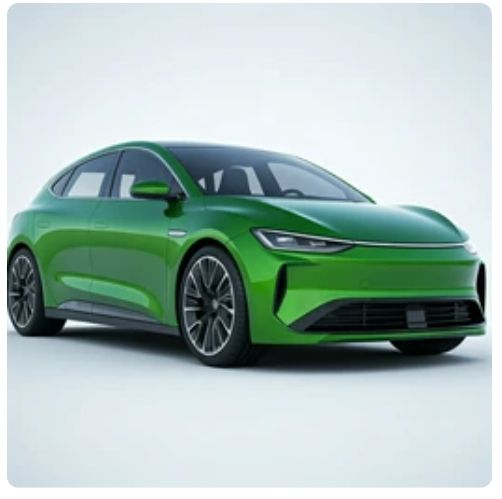
1. Specialized Battery Protection
The battery remains the most expensive component of any electric car in 2026, often accounting for nearly 40% to 50% of the total vehicle cost.
1. The Benefit: Standard insurance might not cover battery degradation or specific electronic failures. Dedicated EV insurance policies offer specialized “Battery Secure” covers that protect against power surges, water ingression (important for Indian monsoons), and accidental damage.
2. Replacement Value: With high replacement costs, having a policy that covers the battery ensures you aren’t hit with a massive bill if the unit fails.
2. Lower Third-Party Premiums
To encourage the adoption of green energy, regulatory bodies like IRDAI continue to offer a 15% discount on third-party insurance premiums for electric vehicles compared to petrol or diesel cars.
- Cost-Efficiency: While the “Own Damage” section of the premium might be higher due to the car’s value, the mandatory third-party cover is significantly cheaper, making the overall package more attractive.
3. Protection for Charging Infrastructure
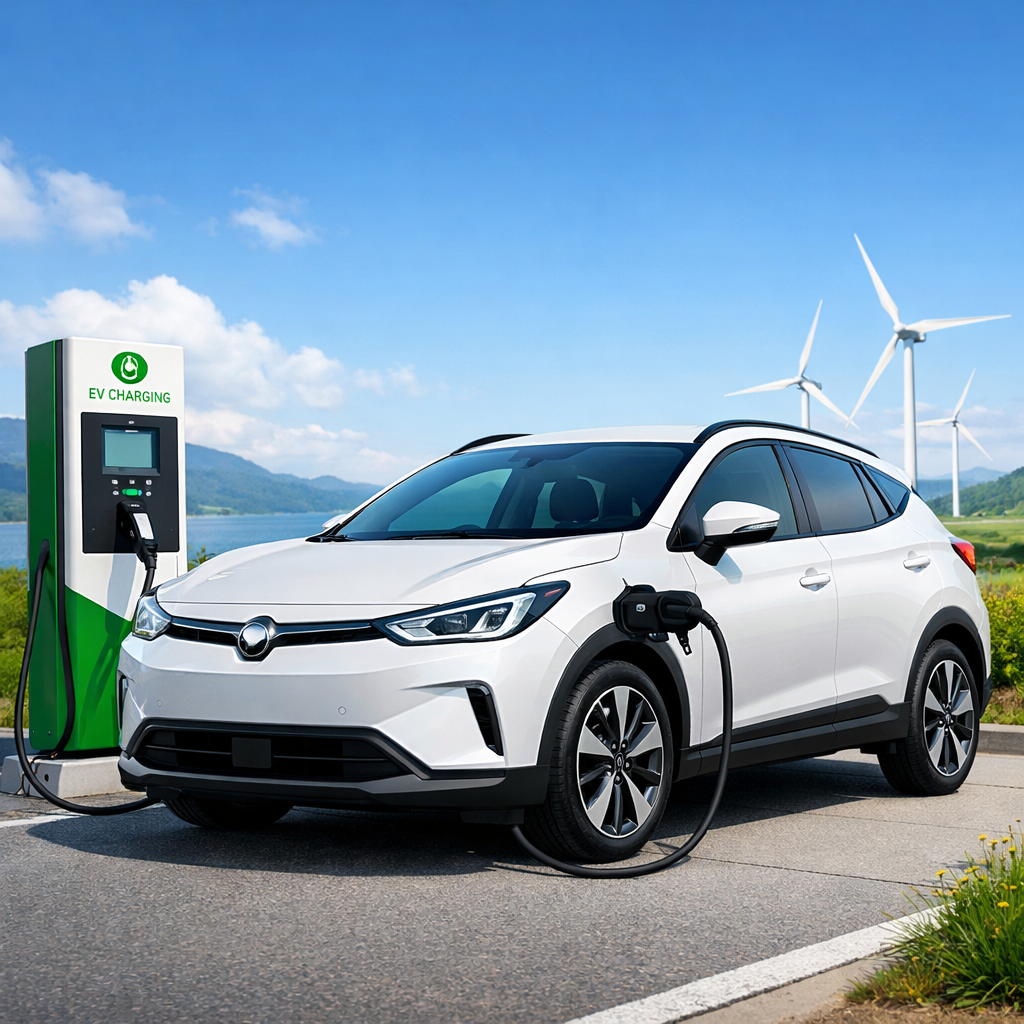
By 2026, most EV owners have installed home charging stations. Modern EV insurance doesn’t just cover the car; it extends to your charging equipment.
- What’s Covered: Damage to the wall-box charger, charging cables, and even liability if someone trips over your charging cable while your car is plugged in at a public station.
4. Enhanced RoadsideAssistance (RSA)
”Range Anxiety” might be fading with better infrastructure, but it hasn’t disappeared.
- EV-Specific RSA: If you run out of charge in a remote area, 2026 insurance providers offer Emergency Portable Charging. They will send a mobile charging van to provide enough juice to reach the next station or provide free towing to the nearest fast charger
5. Zero Depreciation (Nil Dep) Benefits
Electric cars are packed with sensors, touchscreens, and complex wiring (ADAS features).
- The Advantage: In the event of a claim, a Zero Depreciation add-on ensures the insurance company pays the full cost of replaced parts without deducting for age-related wear and tear. For EVs, where parts are imported or high-tech, this saves lakhs of rupees
Strategic Add-ons for EVs in 2026
If you are buying insurance this year, consider these high-value add-ons:
- Return to Invoice (RTI): If your EV is stolen or totaled, RTI ensures you get back the full amount mentioned on the original purchase invoice, including registration and taxes.
- Key Replacement Cover: EV smart keys are expensive to replace and reprogram.
- Consumables Cover: Covers the cost of specialized coolants and lubricants used in EV thermal management systems.
Frequently Asked Questions (FAQs)
Q1: Why is EV insurance slightly higher than petrol car insurance?
Ans: The “Own Damage” premium is higher because EVs have a higher Insured Declared Value (IDV) and use expensive technology/parts. However, the lower maintenance and discounted third-party rates balance out the total cost of ownership.
Q2: Does my insurance cover the battery if it gets damaged by a flood?
Ans: Standard comprehensive insurance may not cover “engine/battery hydrostatic lock” caused by water. You should specifically opt for an Engine/Battery Protector add-on to stay safe during heavy rains.
Q3: Can I transfer my No Claim Bonus (NCB) from my old petrol car to a new EV?
Ans: Yes! NCB is linked to the driver, not the fuel type. You can transfer your accumulated discount from your old internal combustion engine vehicle to your new electric car.
Q4: Are public charging damages covered?
Ans: Most comprehensive EV policies in 2026 cover accidental damage that occurs while the vehicle is being charged at a certified public charging station.
Meta Description (SEO Optimized):
”Discover the top benefits of EV Car Insurance in 2026. Learn about specialized battery coverage, lower premiums, roadside assistance, and essential add-ons for electric vehicles. Read our comprehensive guide and FAQs.”
Final Verdict
As we navigate 2026, owning an EV is a smart financial and environmental move. However, the sophisticated tech inside these vehicles requires a sophisticated insurance policy. Don’t settle for a “one-size-fits-all” plan. Look for a policy that prioritizes battery health, charging equipment, and high-tech sensors