
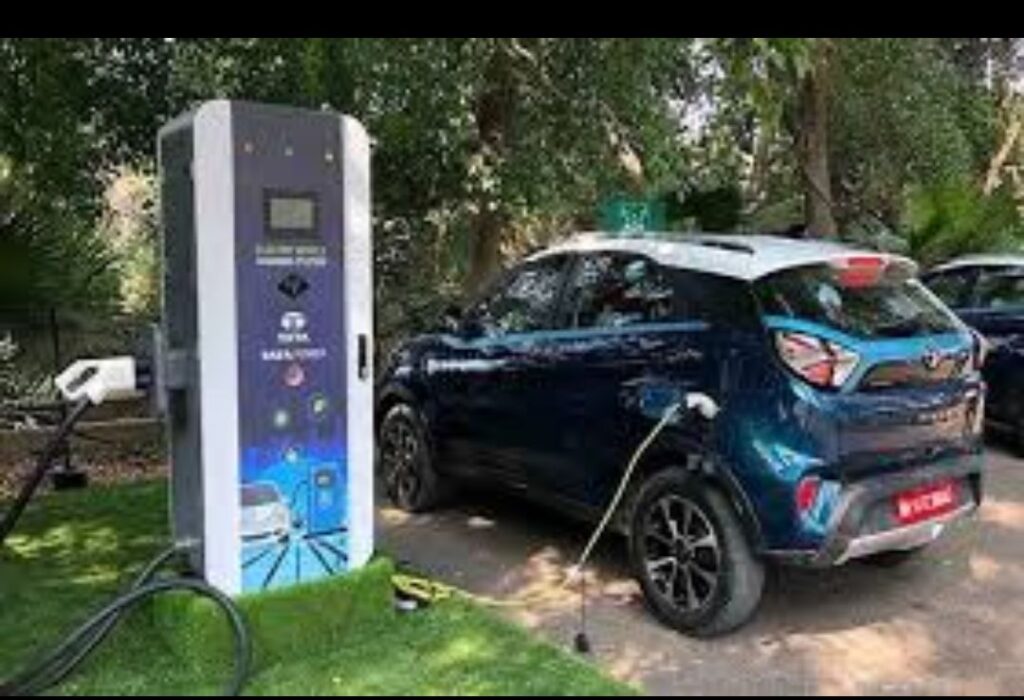
Best EVs to Buy in 2026
The automotive world is no longer shifting toward electric it has arrived. Whether you are a daily commuter looking to save on fuel or a tech enthusiast craving the latest gadgets, choosing the right Electric Vehicle (EV) is a major decision.
In this comprehensive review, we break down the top-rated EVs, charging logistics, and whether making the switch is right for your lifestyle.
Best EVs to Buy in 2026
Before diving into specific models, let’s look at why EVs are dominating the market:
Zero Emissions: Reduce your carbon footprint instantly.
1. Lower Maintenance: No oil changes, spark plugs, or timing belts.
2.Instant Torque: Experience immediate acceleration that gas cars can’t match.
3.Smart Tech: Most EVs come with advanced autonomous driving features and over-the-air updates.
Top EV Reviews: Performance, Range, and Tech
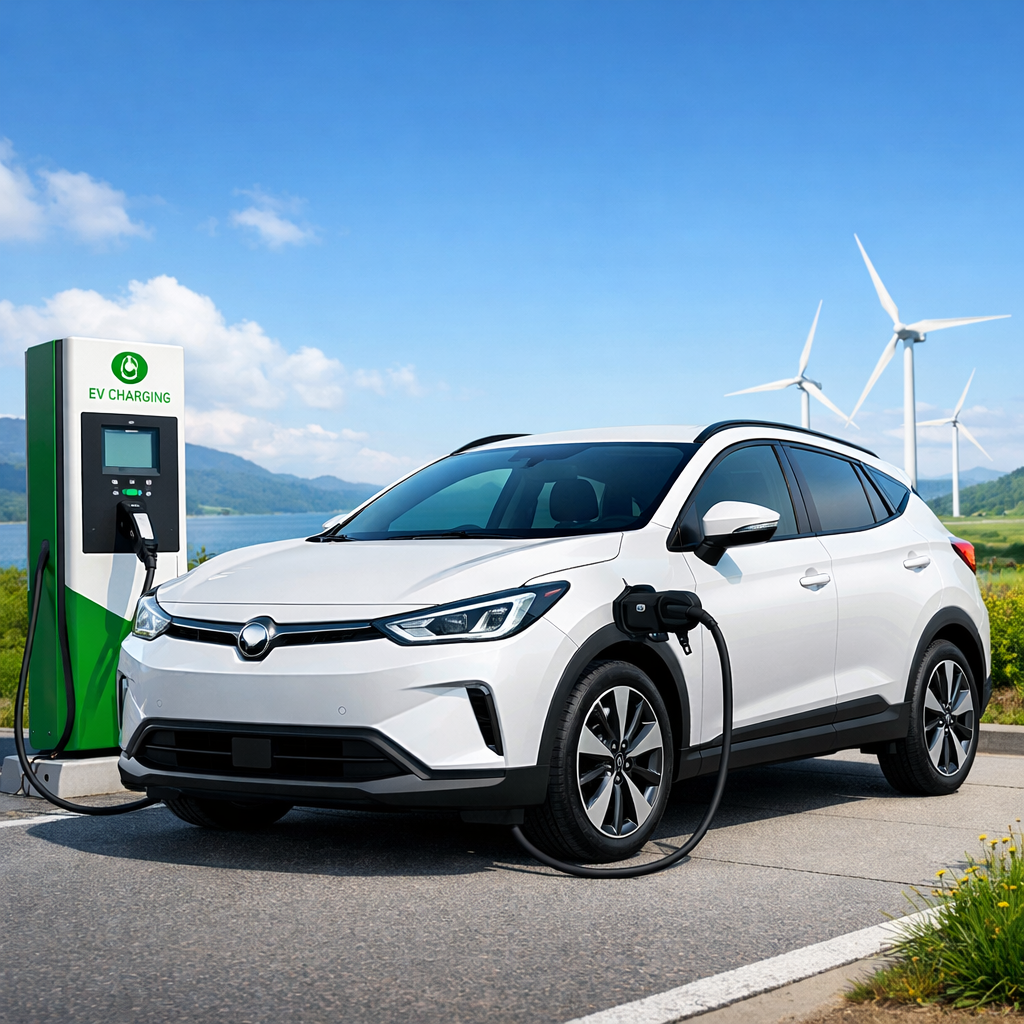
🚗 Eco-friendly electric car promoting sustainable transportation.
🌱 Electric vehicle charging on a clean energy highway.
1. The Long-Range Leader: [Car Model A]
If “range anxiety” is your biggest fear, this is your solution. With a tested range of over 400 miles, it’s built for the open road.
- Battery Efficiency: High-density cells allow for faster charging.
- Interior: Minimalist design with a 15-inch touchscreen.
- Safety: 5-star crash test ratings and 360-degree camera views.
2. The Luxury Performer: [Car Model B]
For those who want speed without sacrificing comfort. This model competes with high-end European sedans.
0-60 MPH: Under 3.2 seconds
.Charging: Can regain 150 miles in just 15 minutes at a DC Fast Charger.
Understanding EV Charging (The Mobile-Friendly Guide)
Charging is the “fueling” of the future. Here is a quick breakdown of what you need to know:
Speed Best For
Level 1 3-5 miles per hour Emergency / Overnight
Level 2 25-35 miles per hour Home / Workplace
Level 3 (DC Fast) 100-200+ miles in 30 mins Road
Cost Analysis: EV vs. Gas
Many buyers are deterred by the “sticker price,” but the Total Cost of Ownership (TCO) tells a different story.
1. Fuel Savings: On average, EV owners save $1,000–$1,500 annually compared to gas
.2. Incentives: Federal tax credits and local rebates can shave up to $7,500 off the price.
3. Resale Value: As gas cars phase out, modern EVs are holding their value better than ever.
Pro-Tips for Buying Your First EV
- Check your Garage: Ensure you have access to a 240V outlet for Level 2 charging.
- Test the UI: Since most controls are on a screen, make sure the software feels “snappy” and intuitive.
- Verify Real-World Range: EPA estimates are great, but highway driving in cold weather can reduce range by 20%.
Frequently Asked Questions (FAQ)
1. How long do EV batteries last?
Most modern EV batteries are designed to last 10 to 15 years or roughly 150,000 to 200,000 miles. Most manufacturers offer an 8-year/100,000-mile warranty on the battery pack specifically
2. Is it expensive to install a home charger?
A standard Level 2 home charger installation typically costs between $500 and $1,200, depending on your home’s electrical panel capacity
3. Do EVs work well in cold weather?
Yes, but with a caveat. Lithium-ion batteries are less efficient in extreme cold, and using the heater consumes battery power. Expect a 20-30% drop in range during freezing temperatures.
Absolutely. With apps like PlugShare or A Better Route Planner (ABRP), you can map out DC Fast Chargers along your route. Many new EVs automatically suggest charging stops.
SEO Meta Description (150-160 characters)
Looking for the best Electric Vehicle in 2026? Read our ultimate EV review covering range, charging costs, and the top-rated models to find your perfect drive.
Final Verdict
The transition to electric is no longer a “maybe”—it’s a “when.” By choosing an EV today, you are investing in a quieter, faster, and cleaner future.